
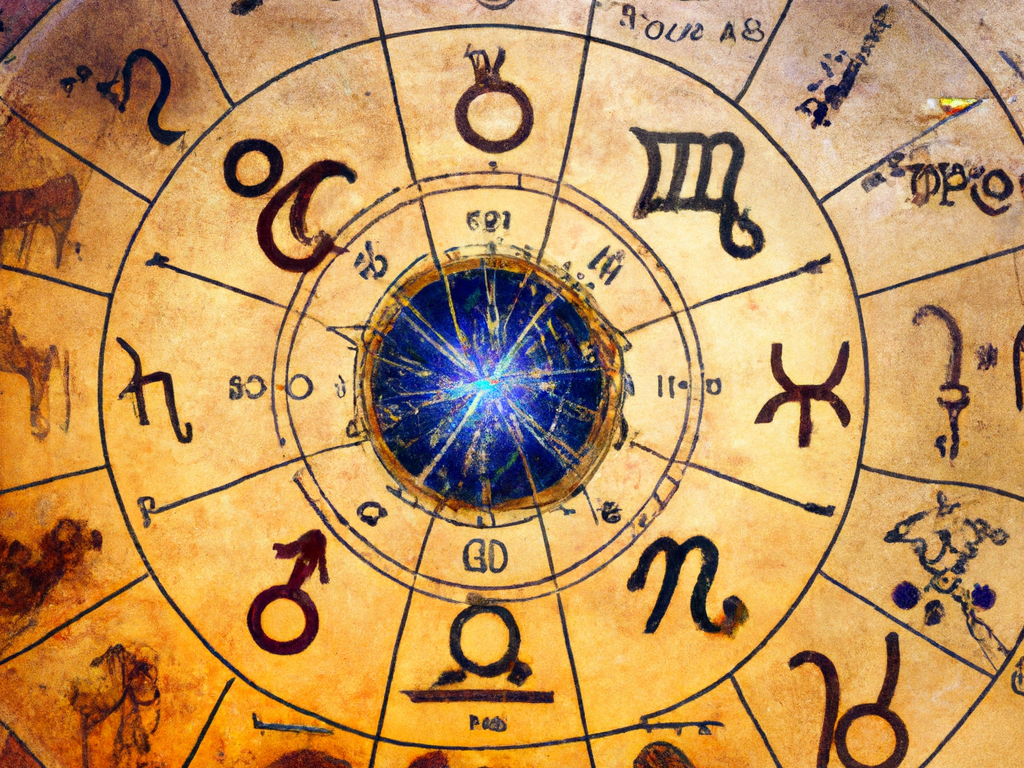
A timeless wisdom, ancient yet ever relevant, Vedic Astrology opens the doors to understanding the celestial dance and its impact on our lives. A deep-rooted discipline from the Indian subcontinent, it has been practiced for over 5,000 years, offering guidance, insight, and a profound connection to the cosmos. In this article, we delve into the origins, principles, and elements of Vedic Astrology, exploring the cosmic tapestry that interweaves with our individual destinies.
The Birth of Vedic Astrology
Vedic Astrology, also known as Jyotish, which translates to “the science of light,” finds its roots in the ancient Vedic scriptures of India. The Vedas are a vast collection of sacred texts, comprising hymns, rituals, and spiritual knowledge that form the backbone of Hindu philosophy. The oldest among them, the Rigveda, contains the first references to Jyotish, while the more elaborate texts on Vedic Astrology are found in the supplementary Vedanga Jyotisha.
Principles of Vedic Astrology
Vedic Astrology is a unique blend of astronomy, mathematics, and mysticism. At its core, it seeks to unveil the karmic patterns of our lives, illuminating the path of self-awareness and spiritual growth. The basic premise of Vedic Astrology is that the celestial bodies – the planets, stars, and constellations – influence our lives in profound ways, shaping our personalities, emotions, relationships, and destinies.
The Key Elements of Vedic Astrology
The Planets (Grahas): The nine planets, or grahas, in Vedic Astrology include the Sun, Moon, Mars, Mercury, Jupiter, Venus, Saturn, Rahu (North Lunar Node), and Ketu (South Lunar Node). Each planet governs specific aspects of our lives and embodies distinct energies and characteristics.
The Zodiac Signs (Rashis): The zodiac in Vedic Astrology consists of 12 signs or rashis, each occupying 30 degrees in the celestial sphere. They are identical to the Western zodiac signs but are interpreted differently. The planets’ positions in these signs at the time of birth reveal significant information about an individual’s nature and life experiences.
The Houses (Bhavas): The Vedic Astrology chart is divided into 12 houses, each representing a specific area of life. The houses are crucial for understanding the impact of planets on an individual’s life, such as career, relationships, health, and spirituality.
The Lunar Mansions (Nakshatras): Vedic Astrology further subdivides the zodiac into 27 lunar mansions, or nakshatras, each spanning 13 degrees and 20 minutes. The Moon’s position in a specific nakshatra at the time of birth is of great significance, as it reveals one’s deepest emotional and psychological traits.
The Dasha System: The dasha system is a unique feature of Vedic Astrology, which calculates the major and minor planetary periods that govern an individual’s life. These periods help to determine the timing of significant events and transitions, offering valuable insights into the unfolding of one’s destiny.
Conclusion
Vedic Astrology is a vast and intricate discipline that weaves together astronomy, mythology, and spirituality, offering a powerful tool for self-discovery, guidance, and understanding of the cosmic forces at play. By studying the celestial patterns and their correlations with our lives, we can gain profound insights into our purpose, strengths, and challenges, allowing us to navigate the turbulent waters of life with wisdom, grace, and a deeper connection to the universe.
 ASTROCISM